
What happens when you come in.
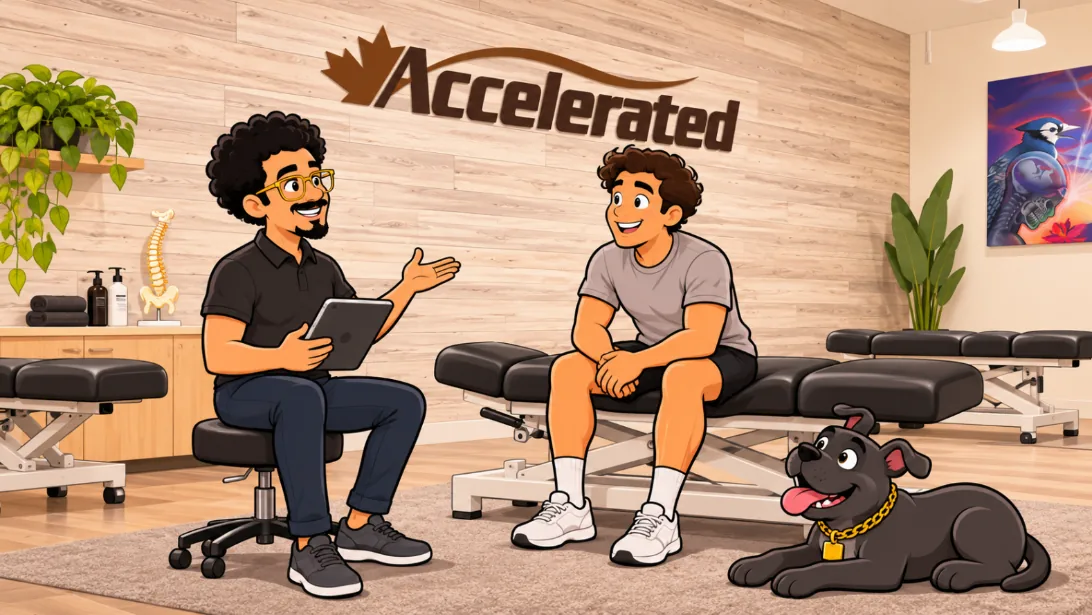 01Talk
We ask about your goal, your sport and your history
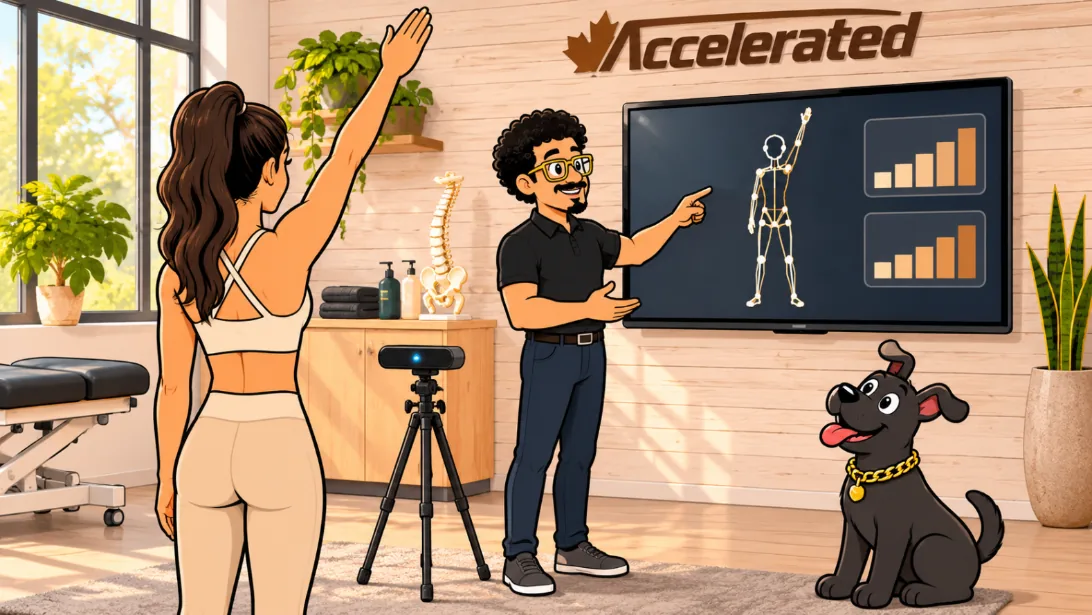 02Test
Hands-on exam and VALD HumanTrak 3D movement testing
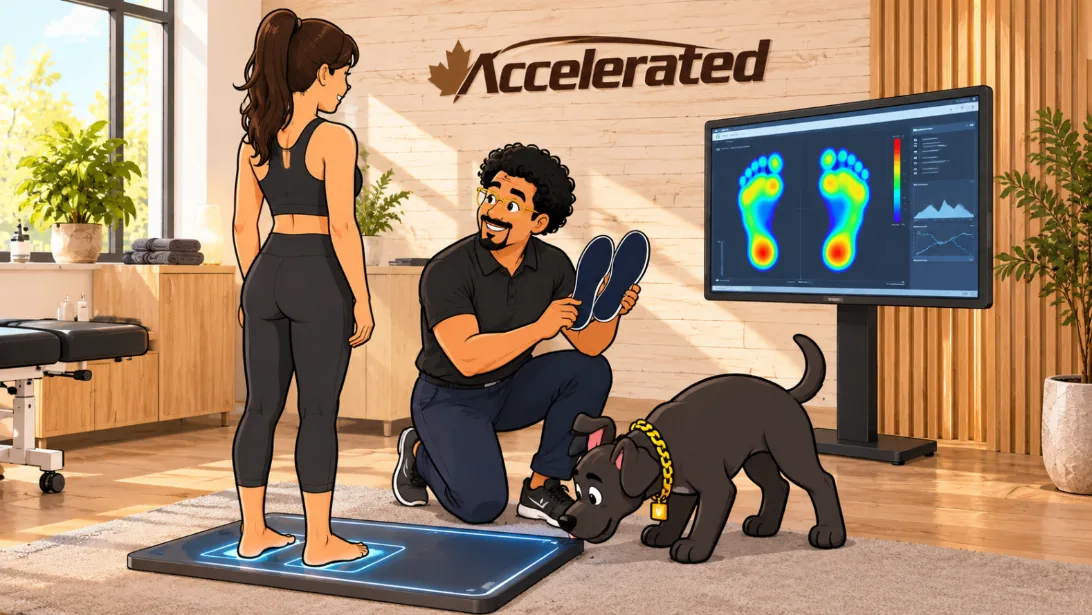 03Scan
GaitScan maps how each foot strikes the ground
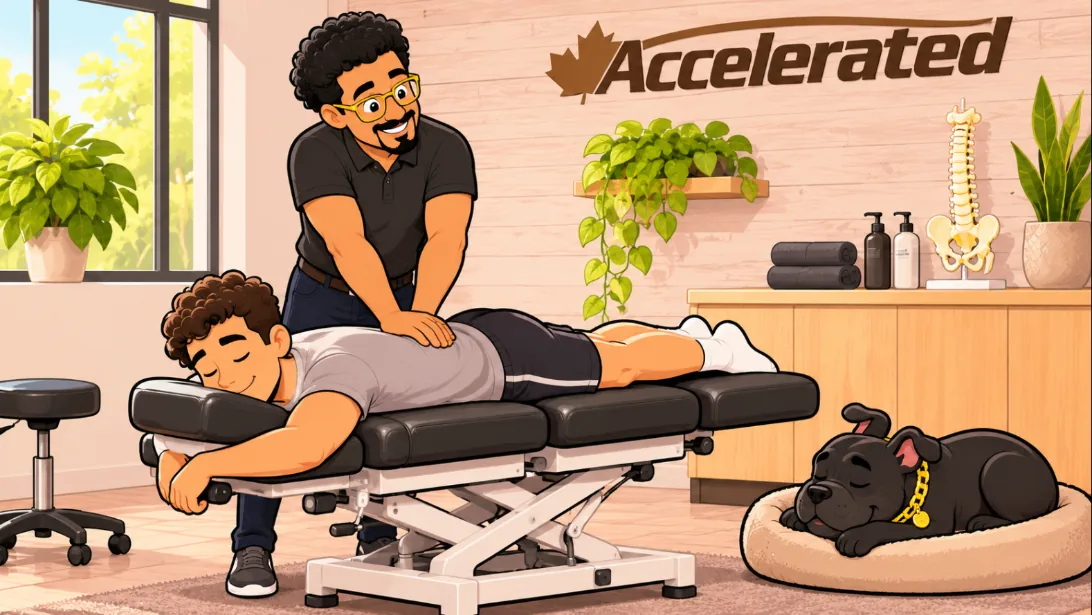 04Treat
Dr. Raman explains what he found, then your plan and first treatment
Volleyball injuries we treat.
What we often see
- Shoulder pain from spiking and serving
- Jumper's knee and ankle sprains from blocking and landing
- Low back pain from arching to hit
- Finger and wrist sprains from blocking
How we treat it
- VALD HumanTrak testing of shoulder and hip movement on each side
- Adjustments to the mid-back and ribs so the shoulder can move freely
- Rotator cuff and shoulder blade strengthening
- Bauerfeind knee, ankle and finger supports when you need them
Products that can help
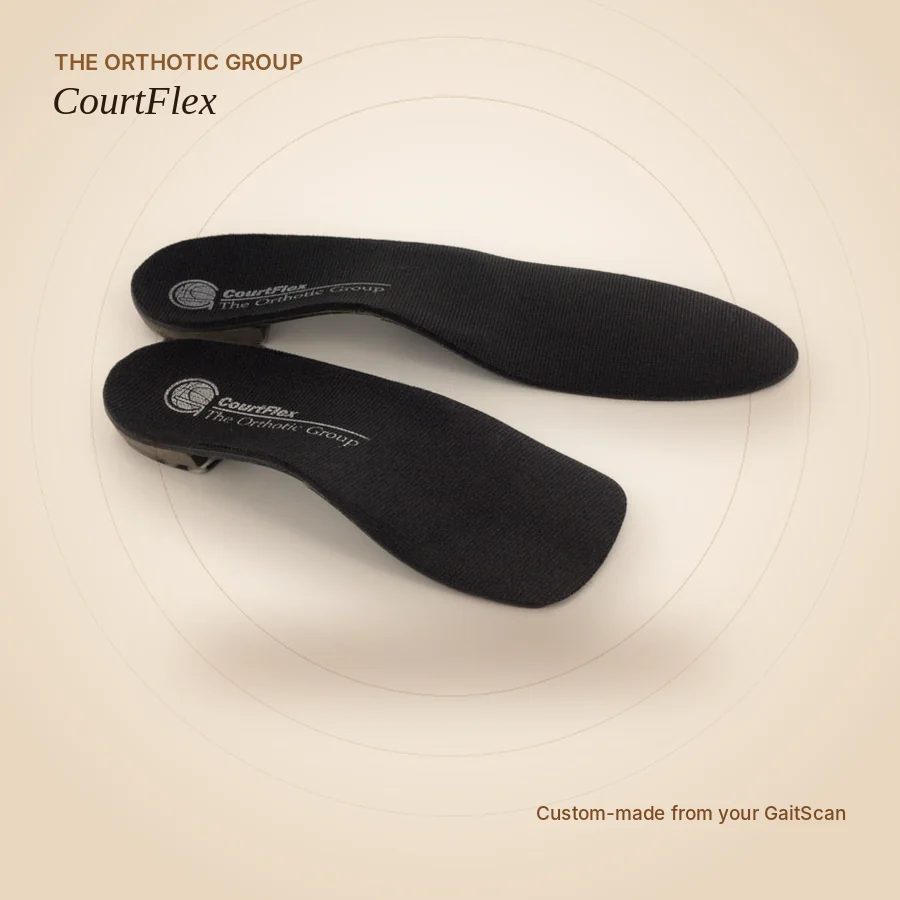
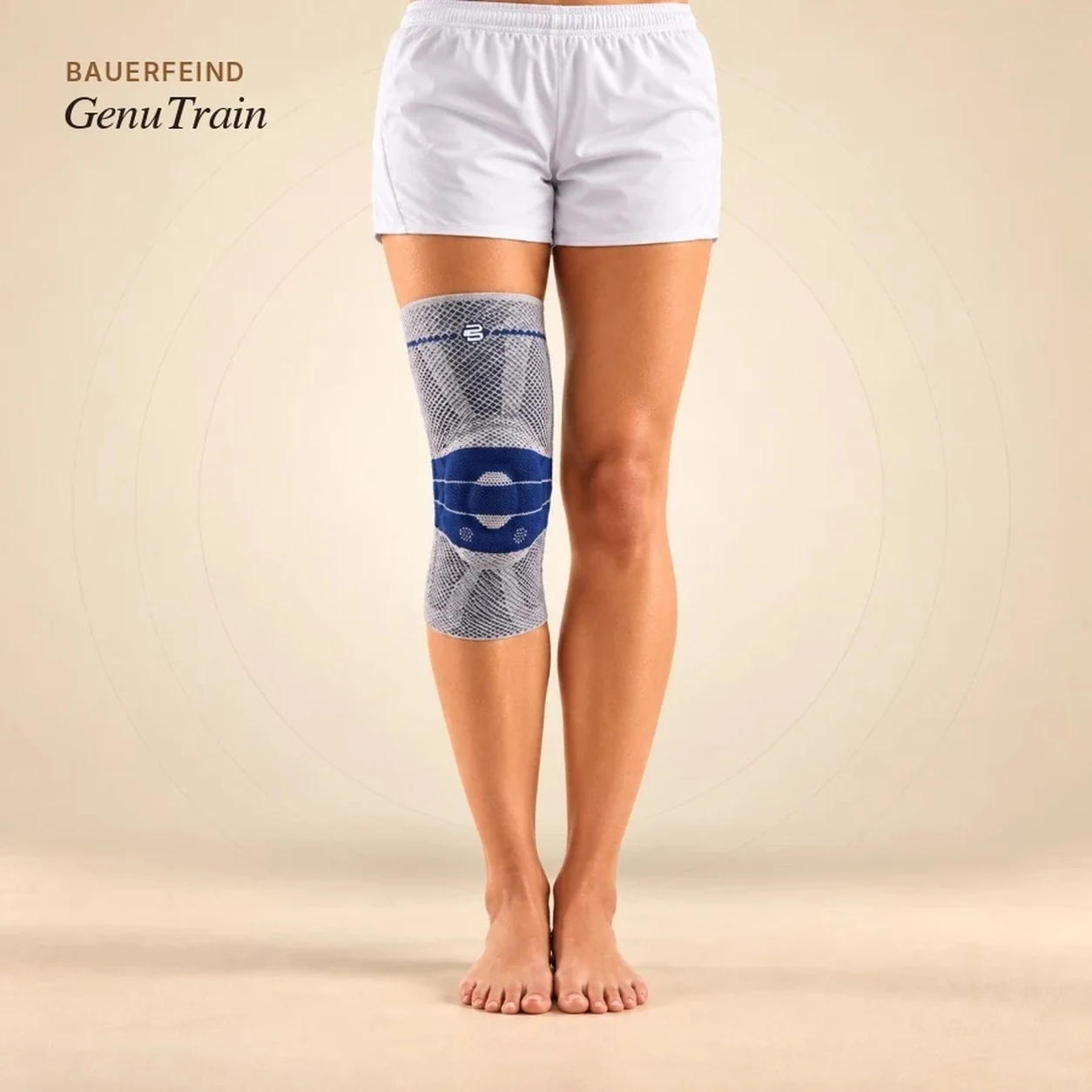
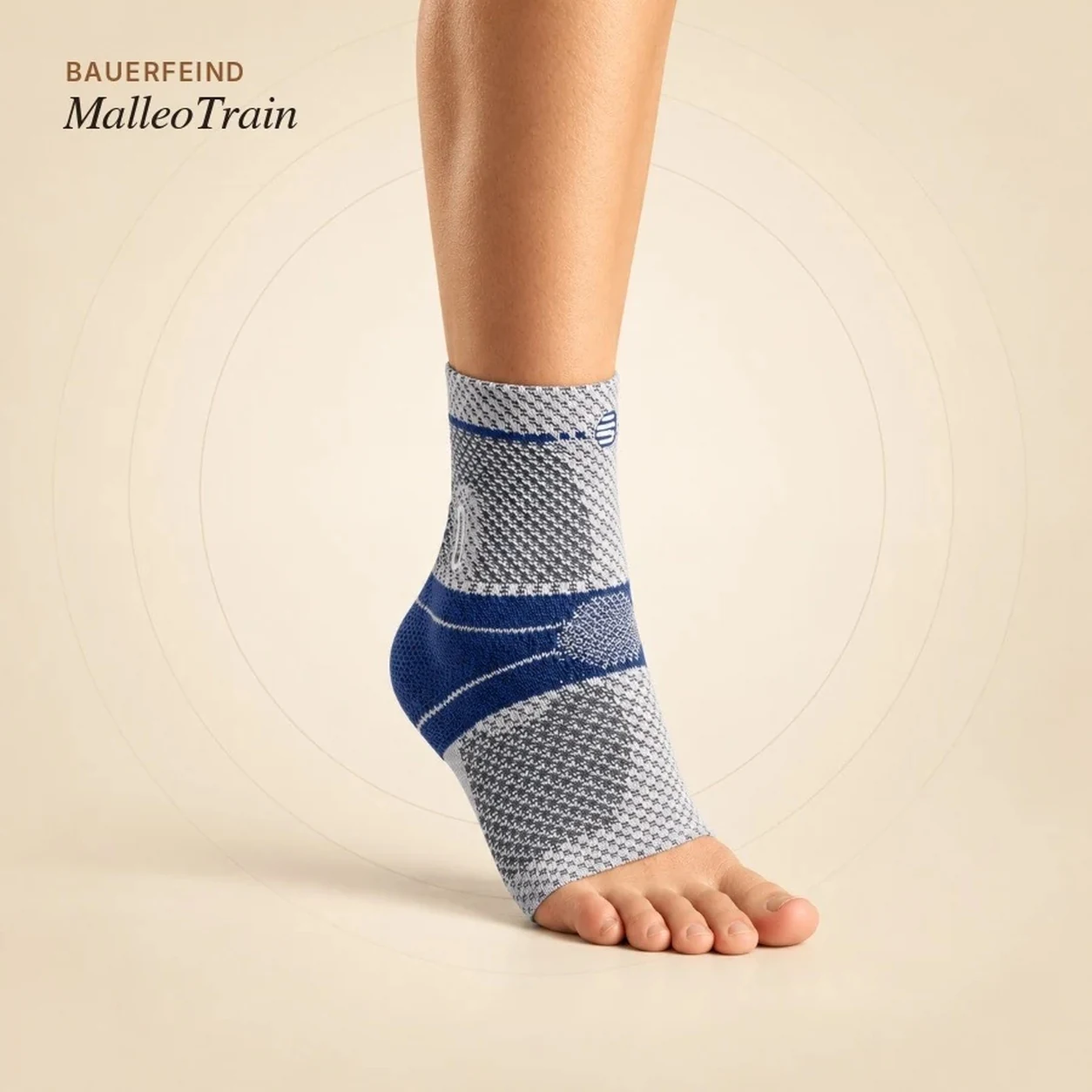
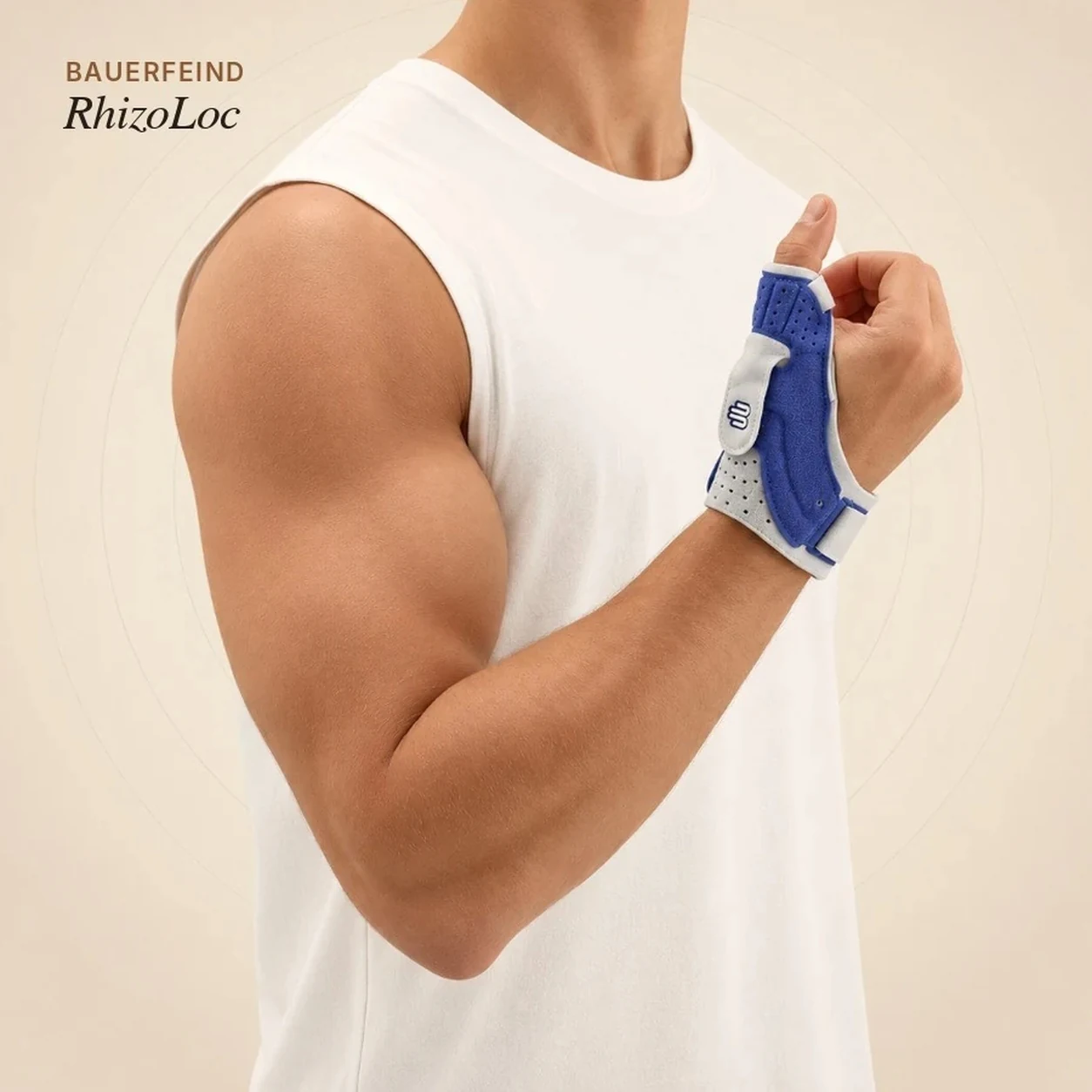
Getting you back safely
- Build serves and spikes back up in steps
- Landing drills before full jumping
- Shoulder and hip strength twice a week
Every body is different, so you get your own timeline at your first visit. Most plans follow three stages.
- Weeks 1 to 2Calm it down
Ease pain, protect the area and keep you moving safely.
- Weeks 2 to 6Build it back
Strength and mobility work, with VALD retests to track progress.
- Week 6 and onGet back to it
Back to full play step by step, and a final retest to confirm you're ready.
What you can do at home now
- Rest from spiking and serving while the shoulder is sore
- Band exercises for the rotator cuff, 2 to 3 sets a day
- Ice sore knees after games for 10 to 15 minutes
Signs it's time to come in
- Pain that has lasted more than a week, or keeps coming back
- Pain that changes how you move, sleep, work or play
- Numbness, tingling or weakness in an arm or leg
- A new injury from a fall, a hit or a car accident
Volleyball injuries, explained.
Shoulder pain
Spiking and serving put big loads on the rotator cuff. A stiff mid-back makes the shoulder work even harder.
Jumper's knee
Repeated blocking and spiking stress the tendon below the kneecap.
Ankle sprains
Landing on a teammate's or opponent's foot at the net is a common cause.
Finger and wrist sprains
Blocking can jam fingers and sprain the wrist. Taping or a support helps you keep playing.
VALD HumanTrak 3D movement testing and GaitScan in your first visit, retested as you improve.
Chiropractic, athletic therapy, massage and fitted Bauerfeind, Sigvaris and custom orthotic products.
Manitoba Blue Cross, Canada Life, Manulife, MPI and WCB.
Dr. Raman Gill has given over 100,000 adjustments. English, Punjabi and Tagalog spoken.
Can a chiropractor help with volleyball injuries?
Yes. At Accelerated we assess how you move with a hands-on exam, VALD movement testing and GaitScan, then treat the cause with chiropractic care, soft-tissue work and athletic therapy rehab, so you can jump and swing pain-free.
Do I need a doctor's referral?
No. You can book directly with a chiropractor in Manitoba. If your exam shows you need imaging, Dr. Raman can refer you for a digital X-ray or ultrasound.
Do you direct bill insurance?
Yes. We direct bill Manitoba Blue Cross, Canada Life and Manulife, plus MPI and WCB claims. If we don't direct bill your plan, you get a receipt to submit yourself.
How much is the first visit?
$125 for the initial assessment, which includes the exam, VALD movement testing, GaitScan and your plan. Follow-up visits are $80.
Can I keep spiking with shoulder pain?
Sometimes, with fewer reps and a strength plan. Pain at night or weakness lifting the arm is a sign to get it checked.
Do you treat beach volleyball players?
Yes. Sand changes how you jump and land, so we look at your ankles, knees and hips together.
$125Exam, VALD movement testing, GaitScan and your plan. We direct bill Manitoba Blue Cross, Canada Life and Manulife, plus MPI and WCB claims.
“Dr. Raman is truly one of the best chiropractors in the city.”
Caleigh G. · Google review