
Ankle Sprains treatment in Winnipeg
Rolling your ankle stretches or tears the ligaments on the outside of the ankle.
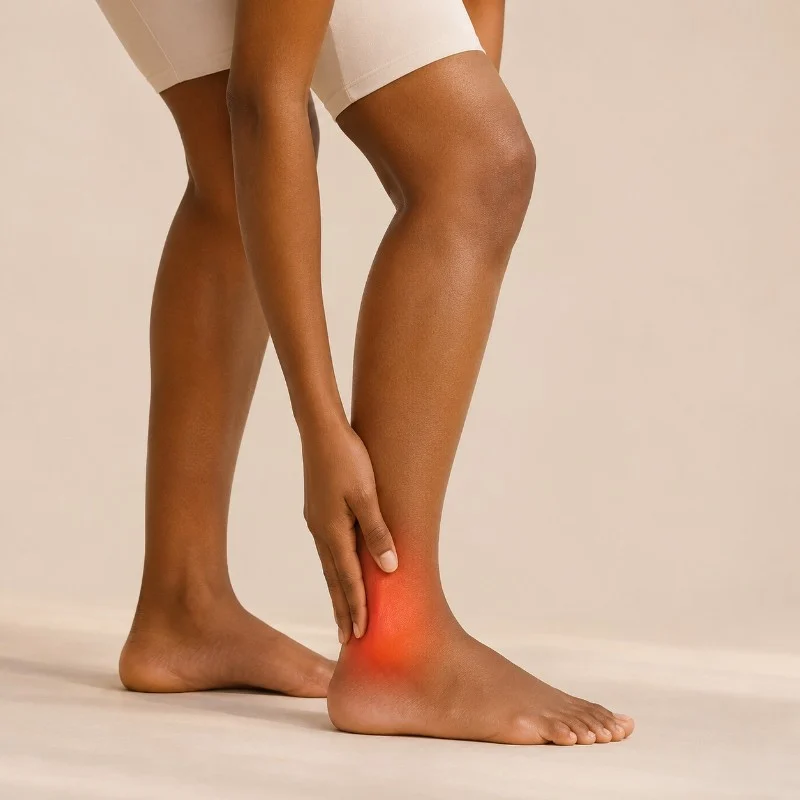


We control the swelling, restore movement and train your balance so it doesn't keep rolling. A MalleoTrain ankle brace can support it while it heals.
Is this what you feel?
Common signs of ankle sprains, and what usually causes it.
What it feels like
- Pain on the outside of the ankle
- Swelling and bruising around the ankle
- Pain when walking or putting weight on the foot
- A stiff ankle that is hard to bend
- The ankle feeling wobbly or weak
- Rolling the same ankle again
What usually causes it
- Stepping on an uneven surface or someone's foot
- Landing from a jump in sports
- Quick changes of direction
- Poor balance or weak ankle muscles
- A past sprain that did not fully heal
- Unsupportive footwear or high heels
An assessment, not a sales pitch.
We ask how you rolled the ankle and how it has felt since, then check swelling, movement, the ligaments and whether you can bear weight. We use simple screening checks to decide if you need an X-ray first, and we refer you if so. We then explain what we found and start gentle treatment to calm swelling and get the ankle moving.
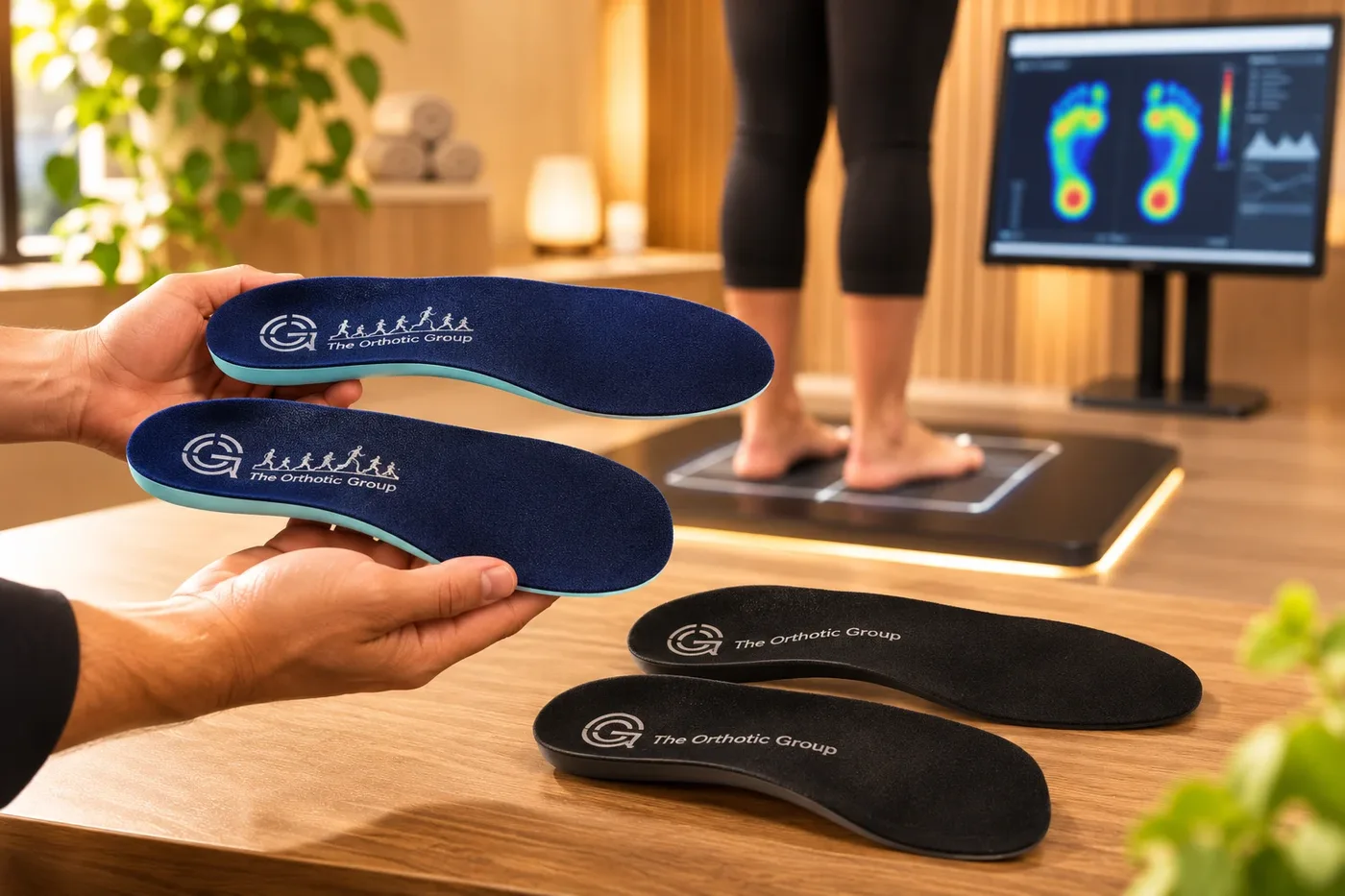
Your plan for ankle sprains.
Every plan is built from your exam and testing, and adjusted as you improve.
Swelling control
Compression, elevation and gentle movement to settle the ankle.
Joint mobilization
Restoring normal ankle and foot movement.
Strengthening
Building the muscles around the ankle and lower leg.
Balance training
Exercises that retrain the ankle to react quickly and avoid rolling again.
MalleoTrain brace
A Bauerfeind ankle support fitted in clinic for protection while it heals.
Return-to-sport drills
Hopping, cutting and agility work before you go back to your sport.
What you can do at home.
- Keep the ankle up and use ice for 10 to 15 minutes at a time in the first few days.
- Start gentle ankle circles and up-and-down movements early, as pain allows.
- Practise standing on one leg, holding onto something if needed.
- Wear supportive shoes and avoid uneven ground for a while.
- Return to sport only when you can hop and change direction without pain.
How long it usually takes
Mild sprains often feel better within a couple of weeks, while more severe sprains can take several weeks or longer. Ligaments keep getting stronger after the pain is gone, so finishing your balance and strength work is important. Your timeline depends on how bad the sprain is and what you need to get back to.
When to see a doctor right away
Get an X-ray or see a doctor right away if you cannot take four steps, there is pain when pressing on the ankle or foot bones, or the ankle looks out of shape. A cold, pale or numb foot needs emergency care.
Serving all of Winnipeg
People come to us for help with ankle sprains from all over Winnipeg, including The Maples, Garden City, Tyndall Park, West Kildonan, the North End, St. James, St. Vital, Transcona and Fort Garry, as well as Stonewall and Selkirk. Our clinic is at 2358 McPhillips St #1, near Garden City Shopping Centre. We direct bill MPI and WCB, walk-ins are welcome, and our team speaks English, Punjabi and Tagalog. When imaging is needed, we refer directly for digital X-rays at Thrive Chiropractic and ultrasound at Atlas Radiology (we refer, they do the scan).
Your questions, answered.
Do I need an X-ray?
Not always. We use well-known screening checks to see if a fracture is likely. If it is, we will refer you for an X-ray before treatment.
Why does my ankle keep rolling?
After a sprain, the ankle's balance system can stay weak even when the pain is gone. Balance and strength training help retrain it so it is less likely to roll again.
Should I keep moving or stay off it?
Rest in the first day or two helps, but gentle movement early on often helps the ankle heal better. We will guide you on how much to do.
We also help with.
Ready to move better?
Book your first assessment with Dr. Raman Gill. Walk-ins are welcome, and we direct bill most insurance plans.
Winnipeg, MB R2V 4J6
This page is general information, not a diagnosis. Every patient is assessed individually.