
What happens when you come in.
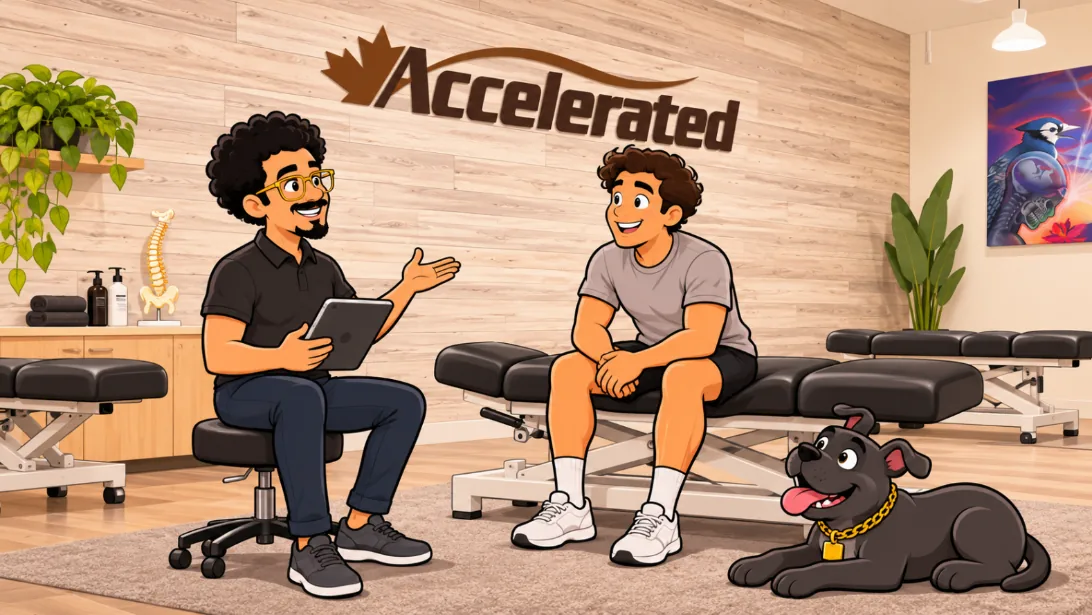 01Talk
We ask about your goal, your sport and your history
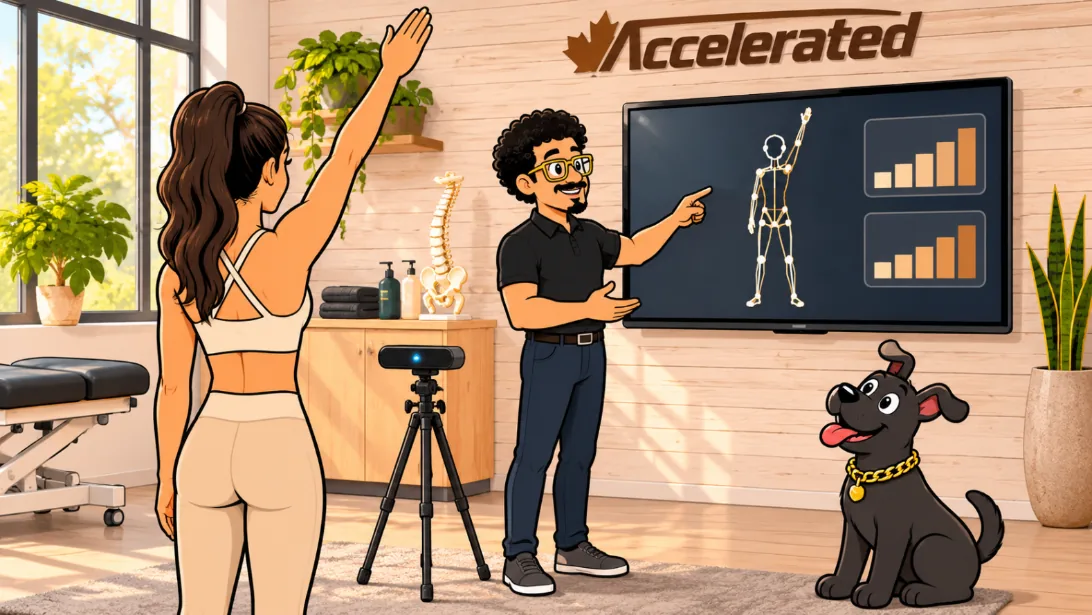 02Test
Hands-on exam and VALD HumanTrak 3D movement testing
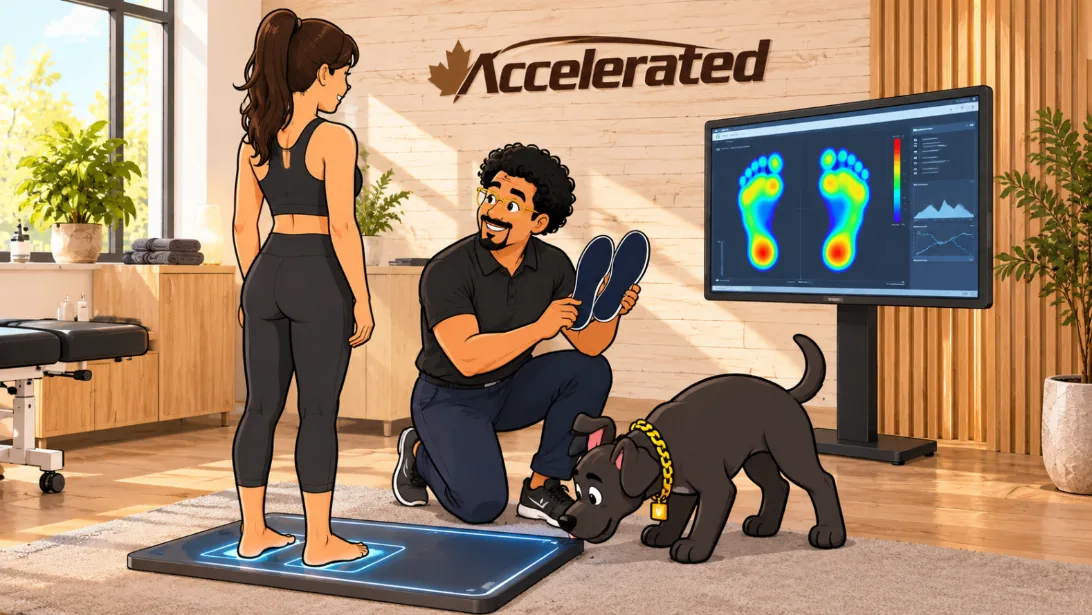 03Scan
GaitScan maps how each foot strikes the ground
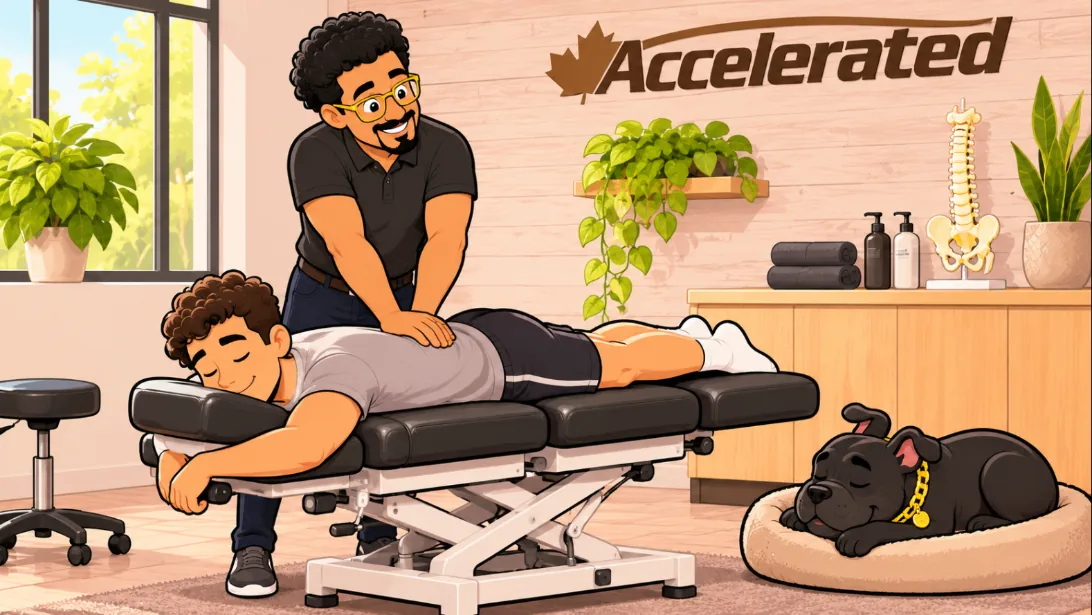 04Treat
Dr. Raman explains what he found, then your plan and first treatment
Lifting injuries we treat.
What we often see
- Low back strain and disc irritation
- Shoulder pain with pressing and overhead work
- Knee pain with squats and lunges
- Wrist and elbow pain
How we treat it
- VALD screen of your squat, hinge and overhead positions
- Adjustments and hands-on care for back, shoulder and hips
- A rehab plan built around the lifts you love, not instead of them
- Bauerfeind knee, back and wrist supports when they help
Products that can help
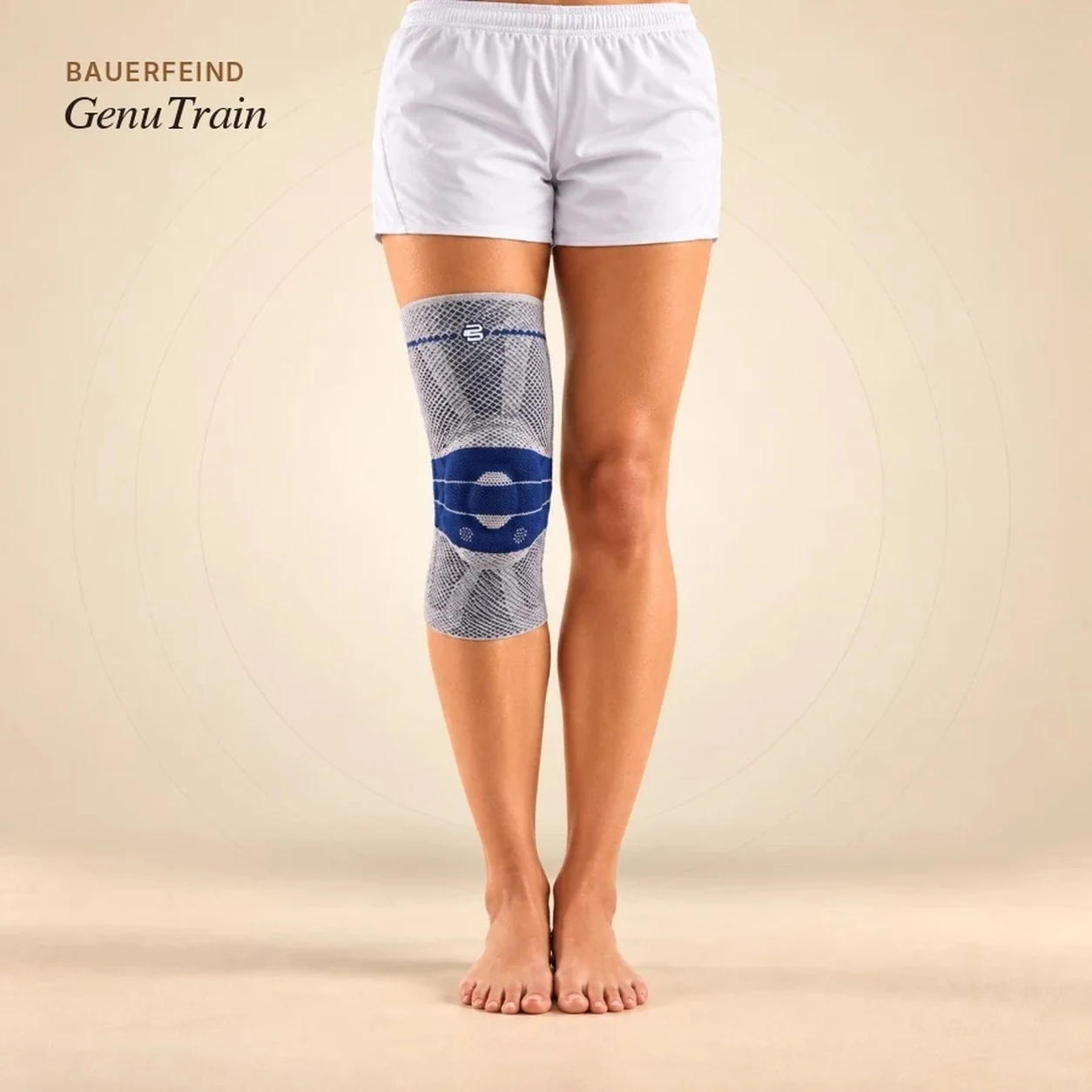

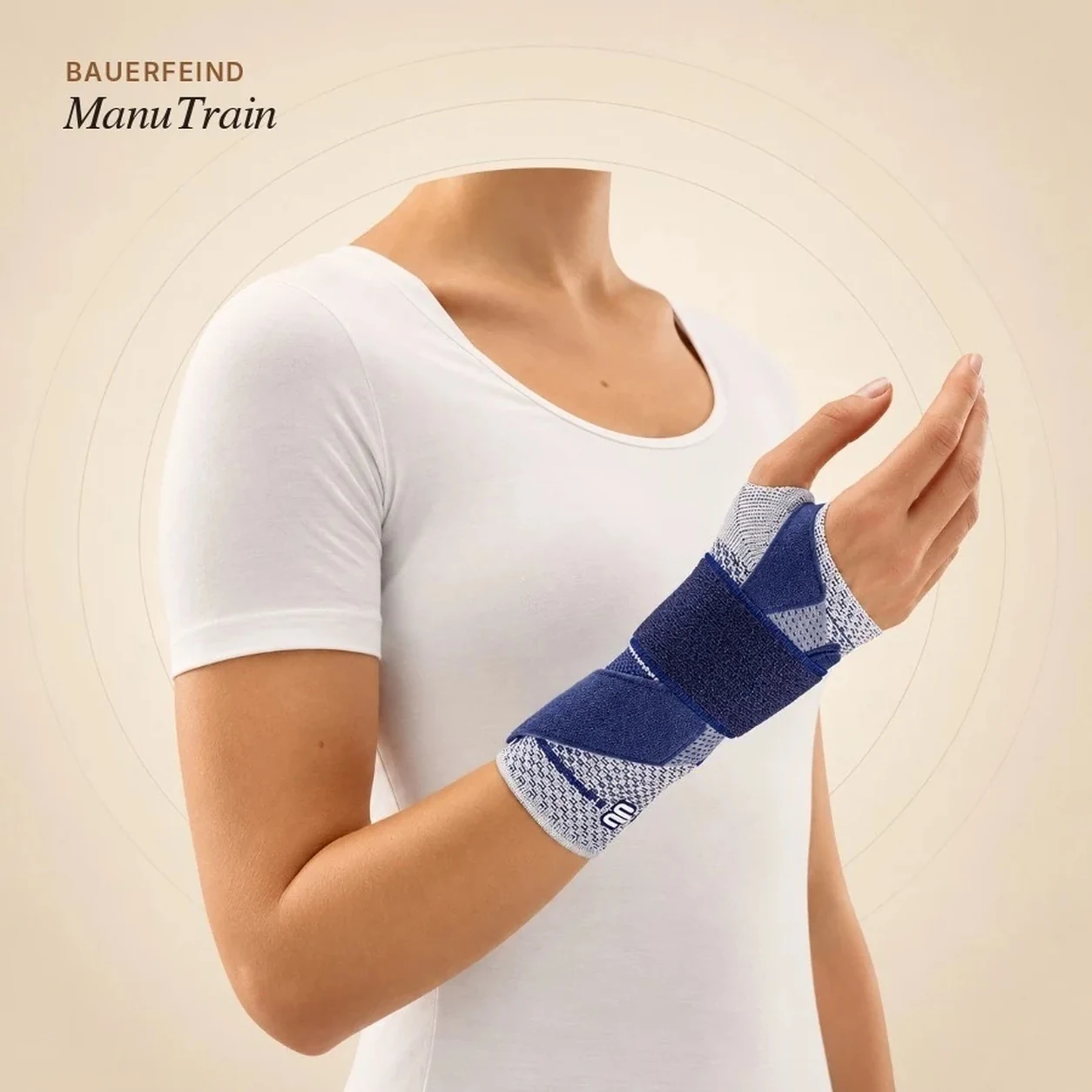
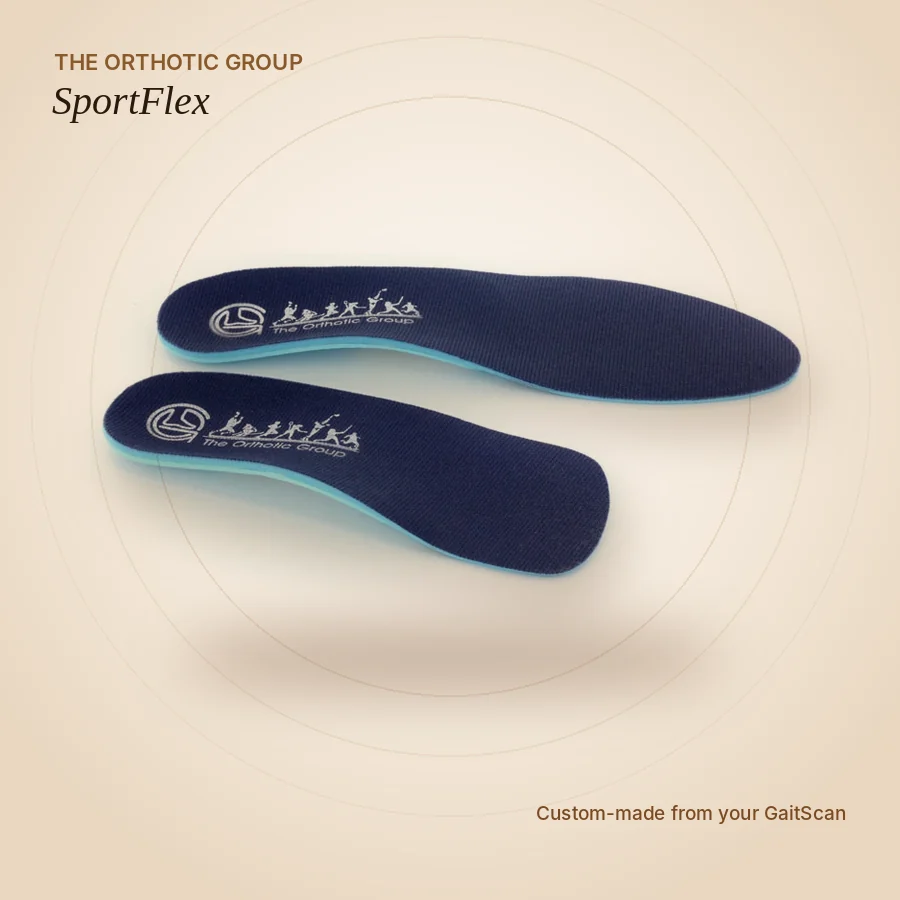
Getting you back safely
- Lower the load, keep the movement, build back up week by week
- Bracing and breathing technique for heavy lifts
- Planned lighter weeks so pain doesn't creep back
Every body is different, so you get your own timeline at your first visit. Most plans follow three stages.
- Weeks 1 to 2Calm it down
Ease pain, protect the area and keep you moving safely.
- Weeks 2 to 6Build it back
Strength and mobility work, with VALD retests to track progress.
- Week 6 and onGet back to it
Back to full play step by step, and a final retest to confirm you're ready.
What you can do at home now
- Drop the weight, not the training: keep moving within what's pain-free
- Swap the painful lift for a variation that doesn't hurt
- Keep sleep and protein up so you recover between sessions
Signs it's time to come in
- Pain that has lasted more than a week, or keeps coming back
- Pain that changes how you move, sleep, work or play
- Numbness, tingling or weakness in an arm or leg
- A new injury from a fall, a hit or a car accident
Lifting injuries, explained.
Low back strains
Usually from a heavy lift with tired form or too much volume. Most settle quickly with the right changes.
Shoulder pain
Pressing and overhead work can irritate the rotator cuff. We help you train around it while it heals.
Knee pain
Squats and lunges can flare up kneecap pain. Small changes in depth and load often help.
Wrist and elbow pain
Heavy grips and front-rack positions load the wrists and elbows.
VALD HumanTrak 3D movement testing and GaitScan in your first visit, retested as you improve.
Chiropractic, athletic therapy, massage and fitted Bauerfeind, Sigvaris and custom orthotic products.
Manitoba Blue Cross, Canada Life, Manulife, MPI and WCB.
Dr. Raman Gill has given over 100,000 adjustments. English, Punjabi and Tagalog spoken.
Can a chiropractor help with lifting injuries?
Yes. At Accelerated we assess how you move with a hands-on exam, VALD movement testing and GaitScan, then treat the cause with chiropractic care, soft-tissue work and athletic therapy rehab, so you can lift heavy, safely.
Do I need a doctor's referral?
No. You can book directly with a chiropractor in Manitoba. If your exam shows you need imaging, Dr. Raman can refer you for a digital X-ray or ultrasound.
Do you direct bill insurance?
Yes. We direct bill Manitoba Blue Cross, Canada Life and Manulife, plus MPI and WCB claims. If we don't direct bill your plan, you get a receipt to submit yourself.
How much is the first visit?
$125 for the initial assessment, which includes the exam, VALD movement testing, GaitScan and your plan. Follow-up visits are $80.
Do I have to stop lifting?
Usually not. We help you swap painful lifts for ones that don't hurt, so you keep training while you recover.
Should I wear a lifting belt or brace?
A belt or brace can help for heavy sets. It works best alongside building your own core and hip strength.
$125Exam, VALD movement testing, GaitScan and your plan. We direct bill Manitoba Blue Cross, Canada Life and Manulife, plus MPI and WCB claims.
“Dr. Raman is truly one of the best chiropractors in the city.”
Caleigh G. · Google review